

 Total:
Parent Information
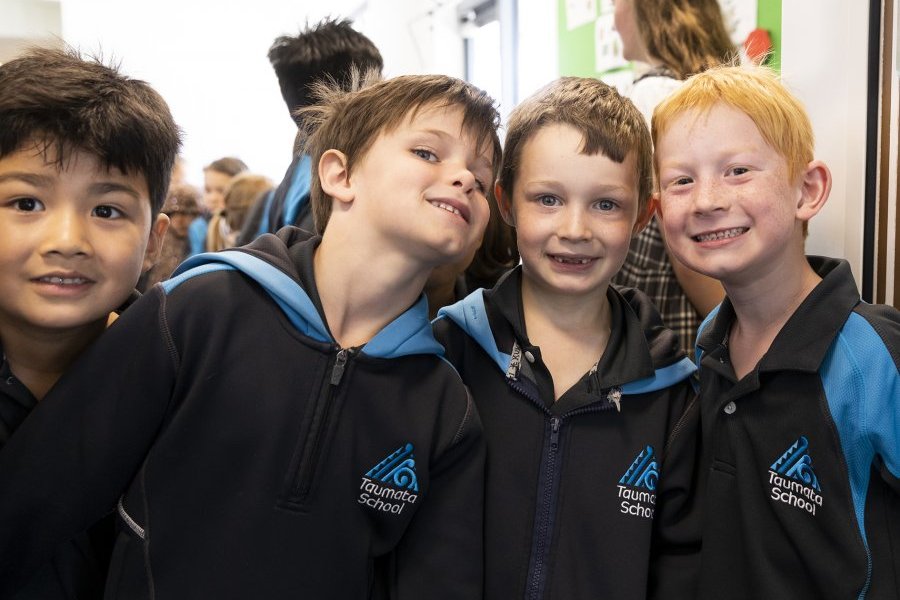
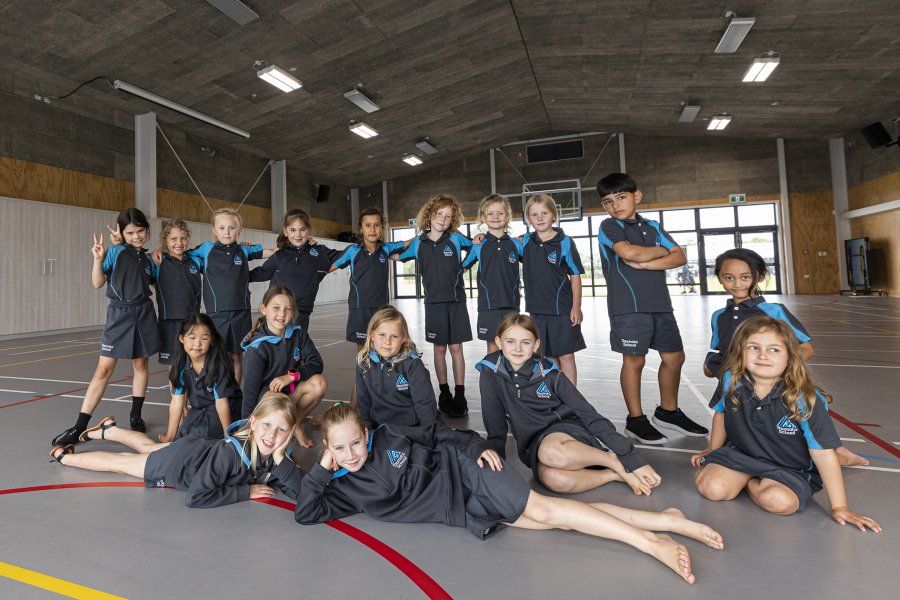
School Uniform
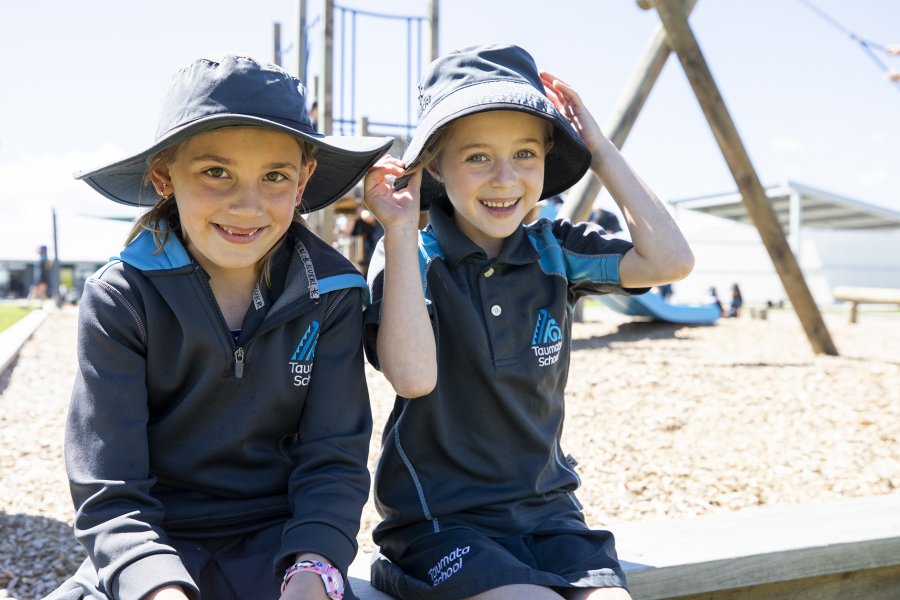
We invite you to visit the school office Friday afternoons between 2-3pm only to try on sizes of our sample uniform.
Orders can only be placed on our online shop on the Taumata School website. First create your log in on the school website using your HERO email address. When you are registered you will be able to access the online shop by clicking the blue trolley icon. Click on the Cart and continue to place your order. Payment can only be made using a card via Stripe. Please ensure you reference your childs full name. Payment can take up to 5 days to clear into our bank account after which we will dispatch items directly to your child to bring home.
Minimum items include shorts or skort; polo shirt; hat. Footwear is any black shoes (and black socks) or sandals.
Questions and Queries
What time does school start and finish?
The school day starts at 8:30am and finishes at 2:30pm.
How do you support the transition of our children from early learning to school?
Upon enrolment we make contact with each family and follow up the information provided. You will then be invited to attend four transitional visits at Taumata School. The first visit (familiarisation with the school site) is held after school hours. The second visit involves the learning coach visiting the ECE (if in Taumata School zone). Visit Three and Four involves you and your child visiting during the school day and taking part in learning. During the last two visits parents/whanau will take part in learning workshops.
Is there a school uniform?
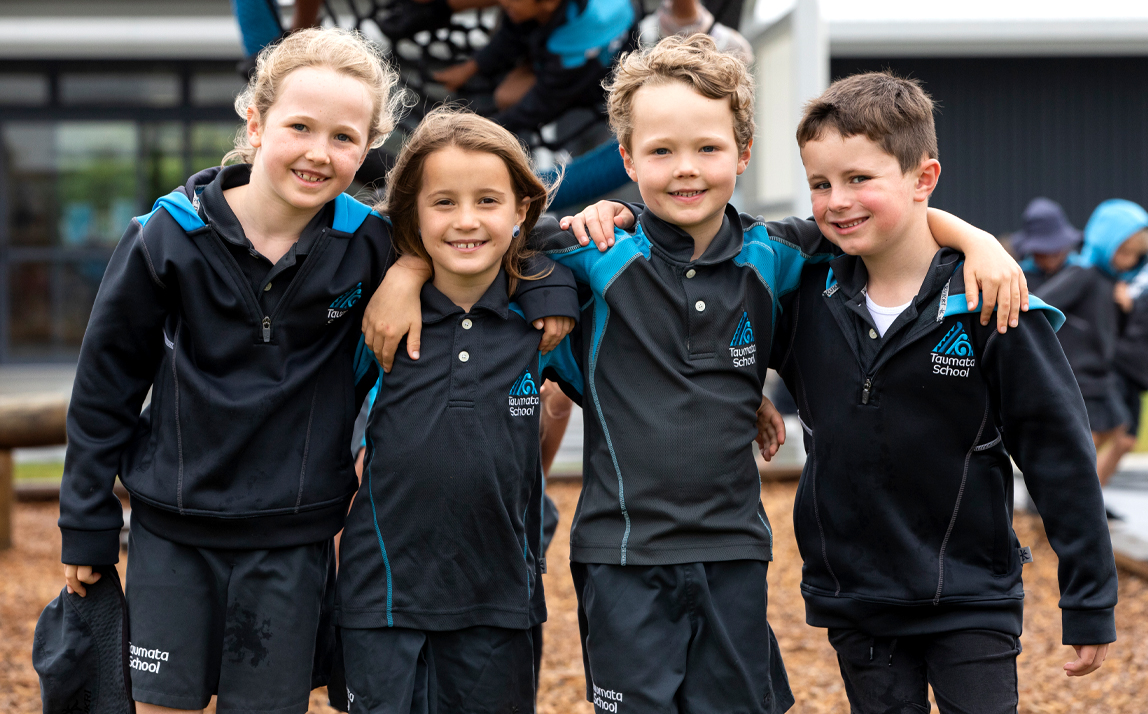
Taumata School has a school uniform which is available for purchase through our school website. You can visit our school office and try on 'sample' items before ordering online.
Is there 'before school' and 'after school' care?
We have a number of 'after school' care options which include Schools Out, Coast Kids and KCJ. As a parent you are welcome to make independent contact with them.
Why do the physical spaces look so different to what we experienced when we went to school?
Taumata School was purpose-built with modern, flexible learning spaces designed to support a range of teaching and learning experiences.
While our spaces may look different from traditional classrooms, our focus remains firmly on what matters most... excellent teaching and successful learning.
Our environments allow teachers to provide clear, explicit instruction, work with groups of learners, support independent practice and respond to different learning needs. Spaces are organised purposefully to ensure children can focus, engage and learn effectively.
We believe it is not the design of the space alone that makes the difference, but the quality of teaching and learning that takes place within it.
How many teachers might be working in a learning space?
At Taumata School, our learning spaces are organised to support effective teaching, positive relationships and student success.
Each class has a designated teacher who is responsible for planning, teaching, assessing and monitoring the progress of their learners. Depending on the learning programme and students' needs, teachers may also work collaboratively with other teachers, learning support staff and specialist educators.
Our priority is to ensure every child is known, supported and benefits from clear, purposeful teaching.
What will the learner to teacher ratios be?
Our staffing is determined by Ministry of Education entitlements, with class sizes and teaching arrangements reviewed annually to best meet the needs of our learners.
We carefully consider student numbers, year levels and learning needs when organising classes. Where resources allow, we provide additional teaching and learning support to respond to identified needs.
Our focus is not simply on the number of learners in a class, but on ensuring high-quality teaching, positive relationships and meaningful progress for every child.
How do children learn at Taumata?
At Taumata School, we believe every child can learn and make progress when teaching is clear, purposeful and responsive to their needs.
Our approach is informed by the Science of Learning — research into how children learn, remember and apply knowledge. Teachers explicitly teach new concepts and skills through clear explanations, modelling, guided practice and regular opportunities to review and consolidate learning.
As children develop knowledge, understanding and confidence, they are supported to become increasingly independent, apply their learning, think critically, solve problems and collaborate with others.
We combine strong foundations in reading, writing and mathematics with a rich, engaging curriculum that encourages curiosity, creativity and a lifelong love of learning.
How is reading, writing and mathematics taught at Taumata?
We place a strong emphasis on developing secure foundations in reading, writing and mathematics, recognising that these essential skills open doors to learning across the curriculum.
Our teaching is informed by research into how children learn best. Teachers use explicit, carefully sequenced instruction, clear explanations, modelling, guided practice and regular review to help children build knowledge, understanding and confidence.
In reading and writing, we use structured, systematic approaches to develop literacy skills, including phonics, spelling, vocabulary, comprehension and written expression. In mathematics, we focus on developing strong number knowledge, mathematical understanding, fluency and problem-solving skills.
Teachers regularly check understanding and use assessment information to identify next steps, provide additional support or extend learning.
Our goal is for every learner to develop the essential knowledge and skills needed to experience success throughout their education.
How does Taumata prepare learners for secondary school?
We recognise that a successful transition to secondary school begins well before a child reaches Year 8.
Throughout their time at Taumata, we focus on building strong foundations in learning alongside the confidence, independence, organisation and personal responsibility needed for future success.
Our Years 7 and 8 programme builds on these foundations, providing increasingly challenging learning opportunities across the curriculum, including specialist technology experiences and opportunities to develop leadership, collaboration and resilience.
We also support learners and their whānau through the transition process, helping children approach their next stage of education with confidence and a positive sense of readiness.
How important will sporting opportunities be?
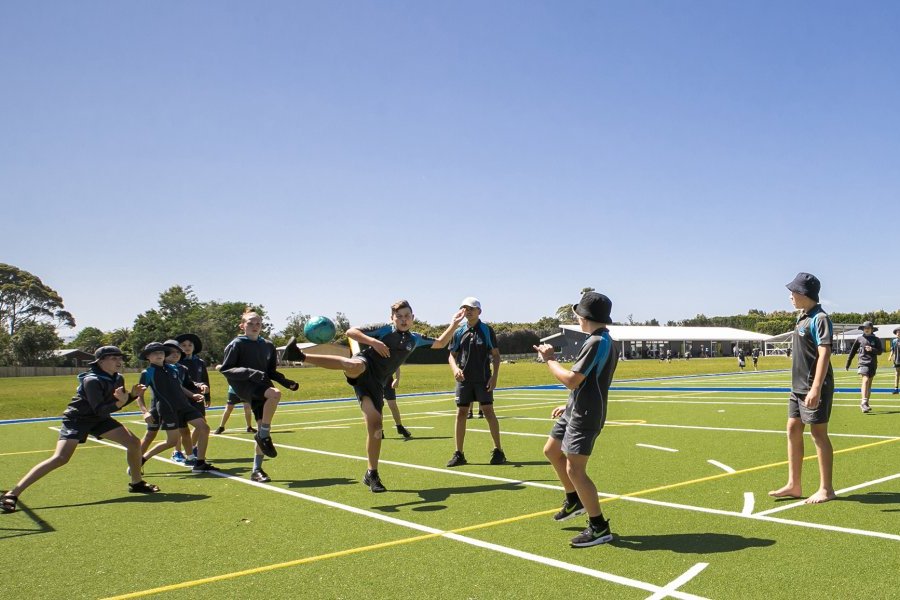
Not just for competitive? Leading an active lifestyle is important to us and also acknowledged in the vision and values of the New Zealand Curriculum. We place great value on the skills that children learn through sport and physical activity and as such are committed to offering as many sporting and physically active opportunities as we can. We will also be looking to utilise the many talents and strengths of our community in this area.
How does Taumata support neurodiverse learners and children with additional learning needs?
At Taumata School, we recognise that every learner brings unique strengths, experiences and needs. We are committed to creating an inclusive environment where all children feel valued, supported and able to experience success.
Our teachers use clear, structured teaching, predictable routines and responsive classroom practices to support a wide range of learners, including neurodivergent children.
Where additional support is needed, we work alongside learners, whānau, our learning support team and relevant specialists to understand individual needs and plan appropriate teaching, adjustments and interventions.
We regularly monitor progress and review the effectiveness of support, recognising that a collaborative and responsive approach is essential to helping every child thrive.
How are learners organised into hapū and year groups?
At Taumata School, our learning communities are organised into hapū, providing children with a sense of belonging, connection and identity within our wider school.
Within each hapū, learners are predominantly organised into single-year-level classes. In some instances, hapū may include learners from two year levels, depending on student numbers, staffing and the needs of the learners.
Each whānau class has a designated teacher who is responsible for teaching, assessing and monitoring learner progress. Teachers also work collaboratively within their hapū to share expertise, plan learning and support children.
Regardless of organisation, our priority remains the same: high-quality teaching, strong relationships and meaningful progress for every learner.
How can I support my child's learning at home?
Parents and whānau play an important role in their child's learning, and the small things you do together at home can make a big difference.
Reading together, talking about books, practising number facts, encouraging curiosity and having conversations about everyday experiences all help strengthen the knowledge and skills children develop at school.
Establishing positive routines, encouraging regular attendance, celebrating effort and progress, and helping children develop independence also contribute to successful learning.
We encourage whānau to stay connected with their child's teacher, ask questions and work alongside us to understand their child's progress and next learning steps.
Together, we can build the confidence, knowledge and skills that empower every child to succeed.
Resources
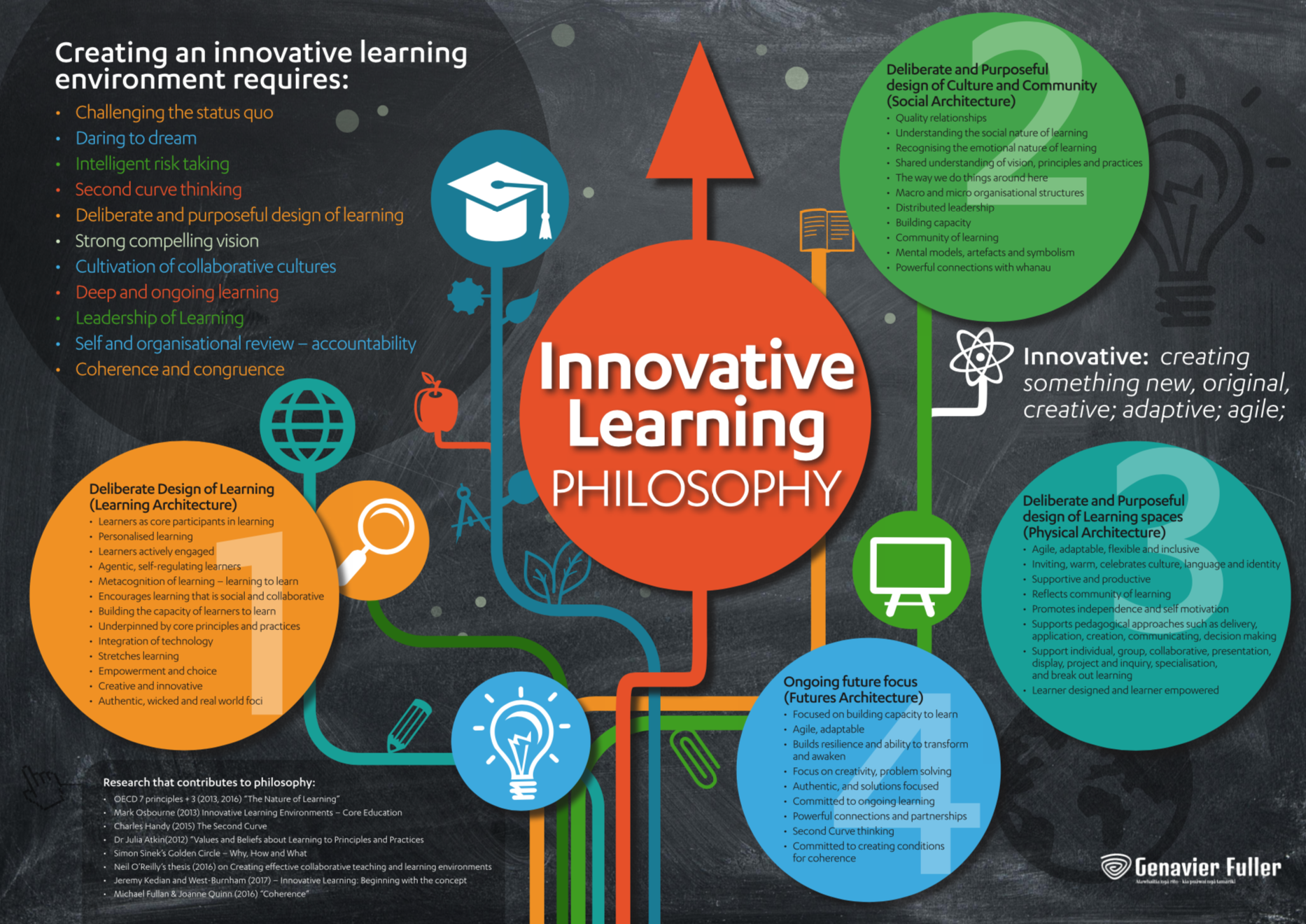
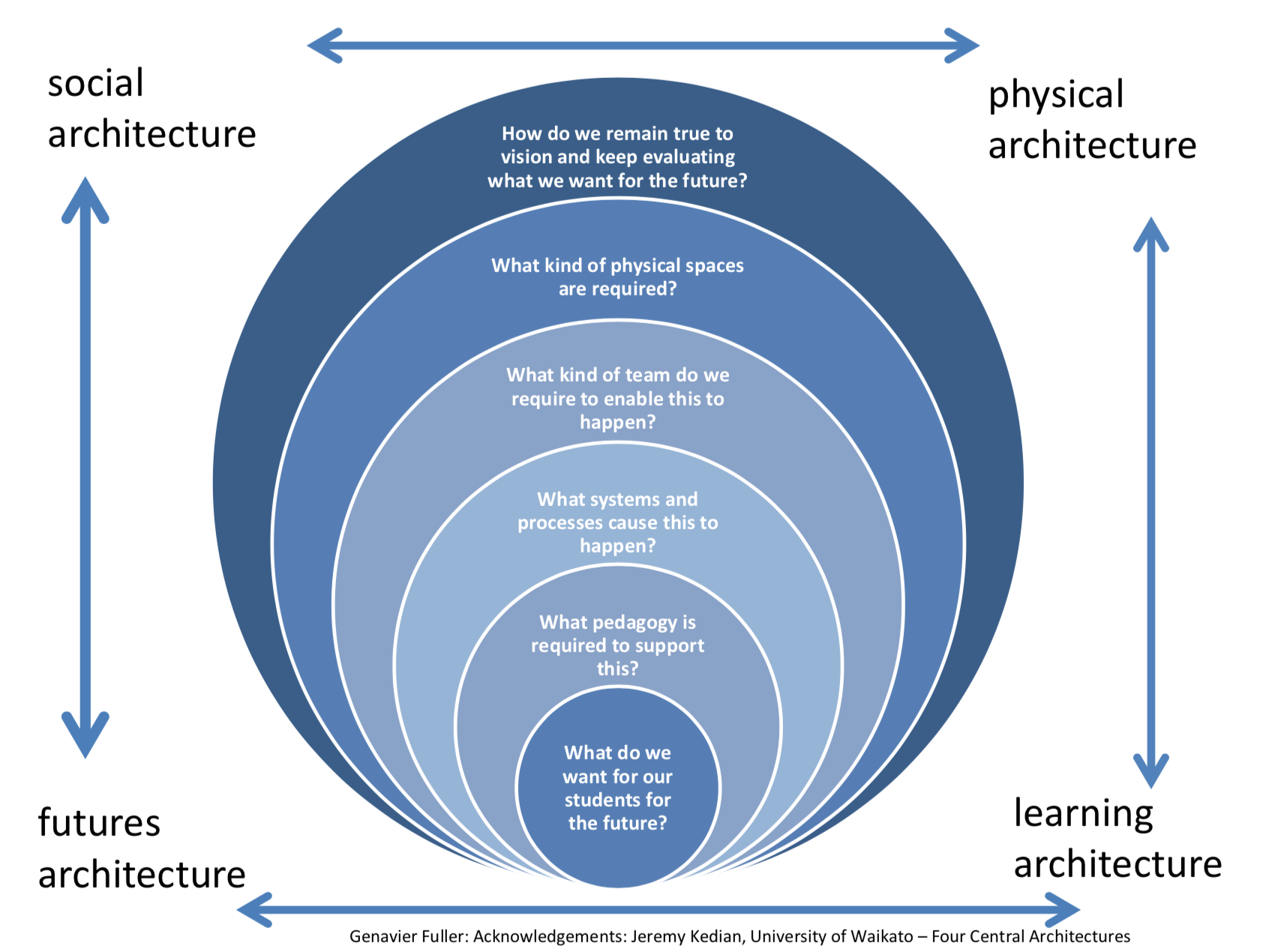
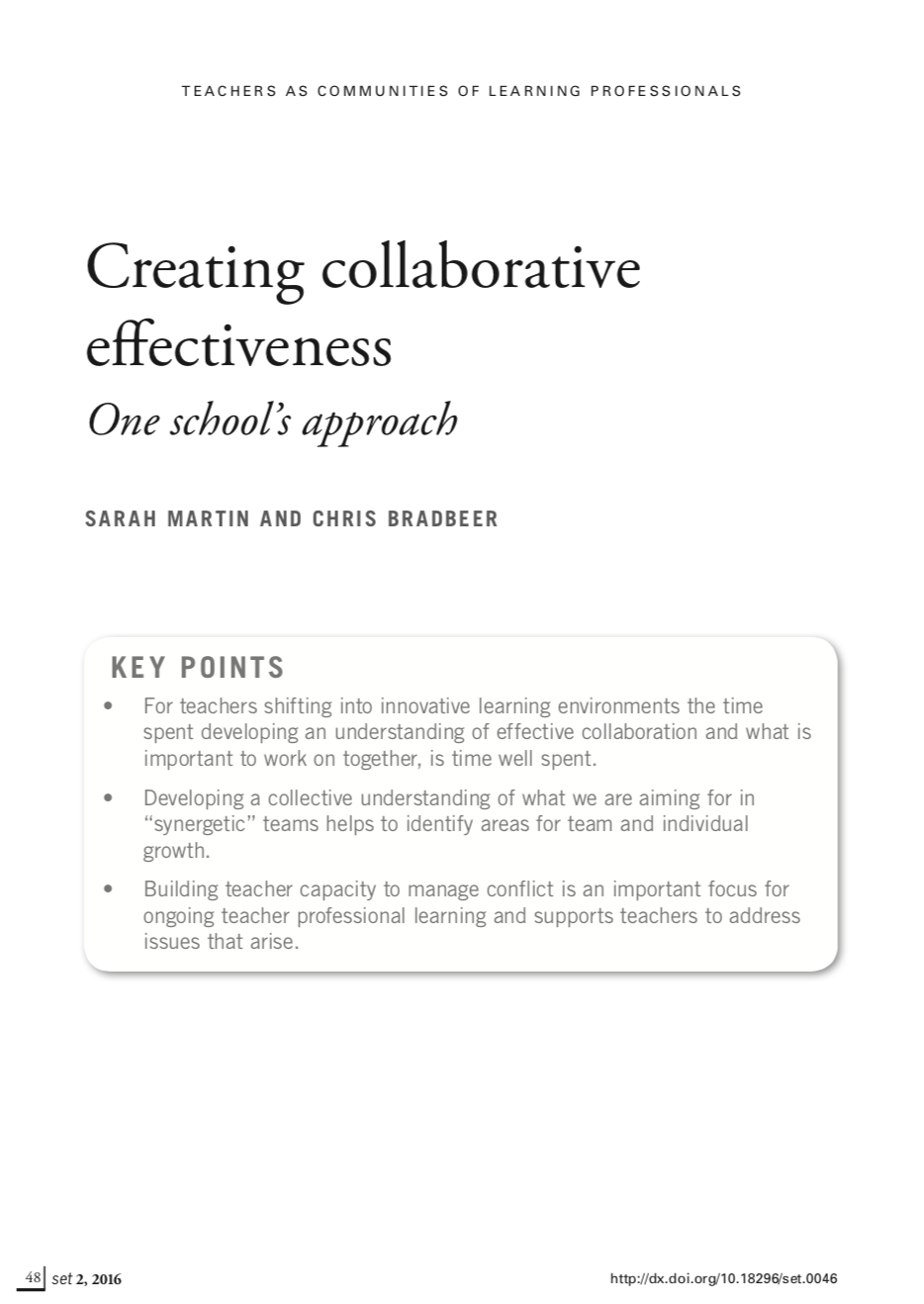
Taumata School has based it's mission, vision, learning principles and practices on research, evidence and proven practice. Below you will find links to research and evidence that underpins the learning philosophy at Taumata School.
Annual Report 2025 | Charter and Strategic Plan 2026